

OVERVIEW OF THE CURRENT HSE STATUS IN MENA REFINERIES
Regional operators have reached 37 million man-hours, fast approaching 38 million, without a TAR and they have not had a major incident, or accident involving contractors, or employees since the beginning of the century. The main focus of their HSE philosophy is honesty.
Due to their processes, plants generate a lot of CO2, but there is the need of complying with the 2030 net zero targets and most plans nowadays have their own net-zero strategies in place. As an example, one regional Methanol and Ammonia plant used to emit all of the CO2 was emitted into the atmosphere, but then in 1998, they began to produce urea which, only 13 years later was utilising the majority of the CO2 produced, and with the introduction of MHI technology, they are also capturing the carbon from their flue gas now.
Since 2012 ESG has been a key focus area and many refineries now publish their sustainability report. Operators are already meeting 80% of their requirements and they engaged somebody to conduct a gap analysis and implement an ESG framework. They have just had CAPEX approval to implement a new digitalisation platform to improve OE and HSE. They have connected their Distributed Control Systems (DCS) and are analysing safety and field data to improve operational efficiency.
Another focus area is the loss of competency and the high proportion of young engineers. Culture plays a big role. Many companies are actively trying to integrate young professionals into the existing organisational culture, but at the same time, encouraging them to have their own ideas that will contribute positively to improving the culture.
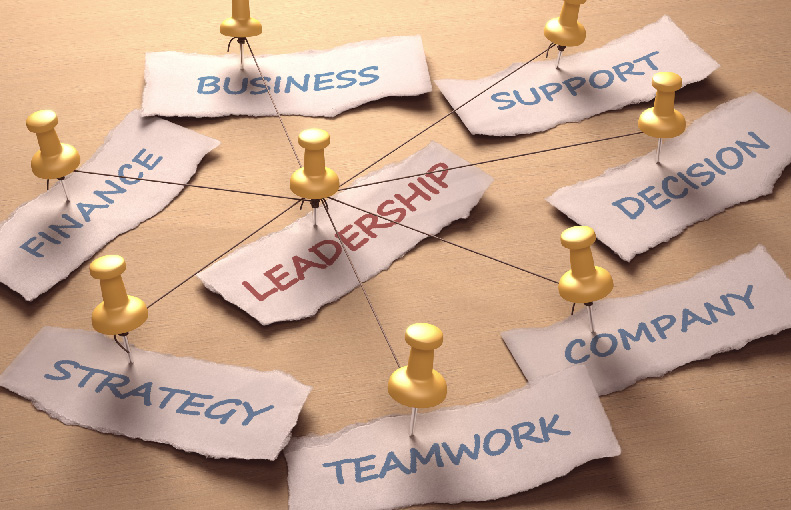
In other regional refineries, leadership accountability and engagement are at the core of their OE system. Leaders must be visible in the plant and this regional operator mandates that their leaders conduct regular site visits in their areas of responsibility - these visits are tracked and reported to the OE and HSE teams. They instil a Positive Practice Engagement culture - if a leader sees something positive, they encourage it, which is referred to as Positive Capturing. Many have in place a good digital platform to capture these positive practices, which are tracked as KPIs and audited to determine the effectiveness of the activities and engagement.

For yet another regional refinery, the leadership focus is a passion. As they see it, the important aspect of leadership is having the appropriate leadership competency at all levels; frontline, mid and senior executive levels of the ladder. Most leadership skills are not inherent, they are learnt. As a result, this operator puts a lot of effort into creating initiatives to develop leadership skills. For example, they have a weeklong bootcamp for frontline downstream leaders. They bring 24 leaders together at one time for a safety leadership forum and they conduct 12 such events each year. Leadership forums are hosted by the local managers, endorsed at the corporate level and external speakers are invited.
The Leadership Pyramid model demonstrates five essential levels that every leader should be aware of: at the bottom - the mission, vision, and values that are ingrained in the organisation. At the next level - a hazard-free workplace where risk is effectively managed. Then - a management system that is effectively implemented within the organisation. Then the workforce - that they are fit for duty and informed about the importance of safety. They need education, understanding, and buy-in to make this part of their culture and finally, at the top level, is leadership. Leadership is responsible for ensuring all 5 levels work effectively. A lot of responsibility and accountability is placed on frontline managers, so it is important they are provided with competency development opportunities and that they are regularly assessed to determine their level of competency and to identify and address any gaps.
Leadership accountability and engagement are at the core of the OE system
Leadership is fundamental and crucial for success and giving the frontline manager responsibility is paramount. It is the frontline manager who is sent to the shop floor. This person must deliver the right message, and it is important the right message has been cascaded down. Visible, effective leadership comes from different levels and departments being on the same page, knowing what to focus on and what message to share. An aggressive and diminishing management style will destroy the safety culture. Sending the right message, in the right way and having a clear, collective vision that is communicated through a uniform message from various levels, is fundamental.
Visible, effective leadership comes from different levels and departments being on the same page, knowing what to focus on and what message to share
Operators in the region are putting a lot of effort into creating initiatives to nurture talent and develop leadership skills. Based on the overwhelming feedback we have received, OPEX MENA AWARDS has increased the number of Awards Categories to recognise and reward a broader scope of the exceptional talent that exists within the region’s Operational Excellence and HSE communities, including “the Young Professional of the Year” and "Woman of the Year".